
Attention difficulties are often only one part of the picture.
Mental fatigue and emotional strain frequently play a significant role.

ADHD, Regulation & Mental Fatigue
When attention difficulties, emotional overwhelm, mental exhaustion, or chronic internal pressure begin affecting your focus, consistency, confidence, or daily functioning.
Specialist support for professionals and high-functioning individuals experiencing ADHD-related overwhelm, emotional dysregulation, mental fatigue, or persistent nervous system strain.
“Many adults spend years trying to improve productivity while overlooking the nervous system patterns driving exhaustion.”
ADHD Is Often More Than Attention
Many adults experiencing ADHD-related difficulties have spent years trying to compensate for:
- distractibility
- mental overload
- inconsistent focus
- emotional intensity
- procrastination
- burnout cycles
- difficulty regulating attention and energy
Externally, they may appear:
- capable
- intelligent
- productive
- high functioning
Internally, however, they may feel:
- mentally overloaded
- constantly behind
- emotionally reactive
- exhausted from self-management
- unable to properly switch off
- frustrated by inconsistency or underperformance
Over time, these patterns can begin affecting:
- confidence
- relationships
- work performance
- emotional stability
- sleep and recovery
- motivation and follow-through
- overall quality of life
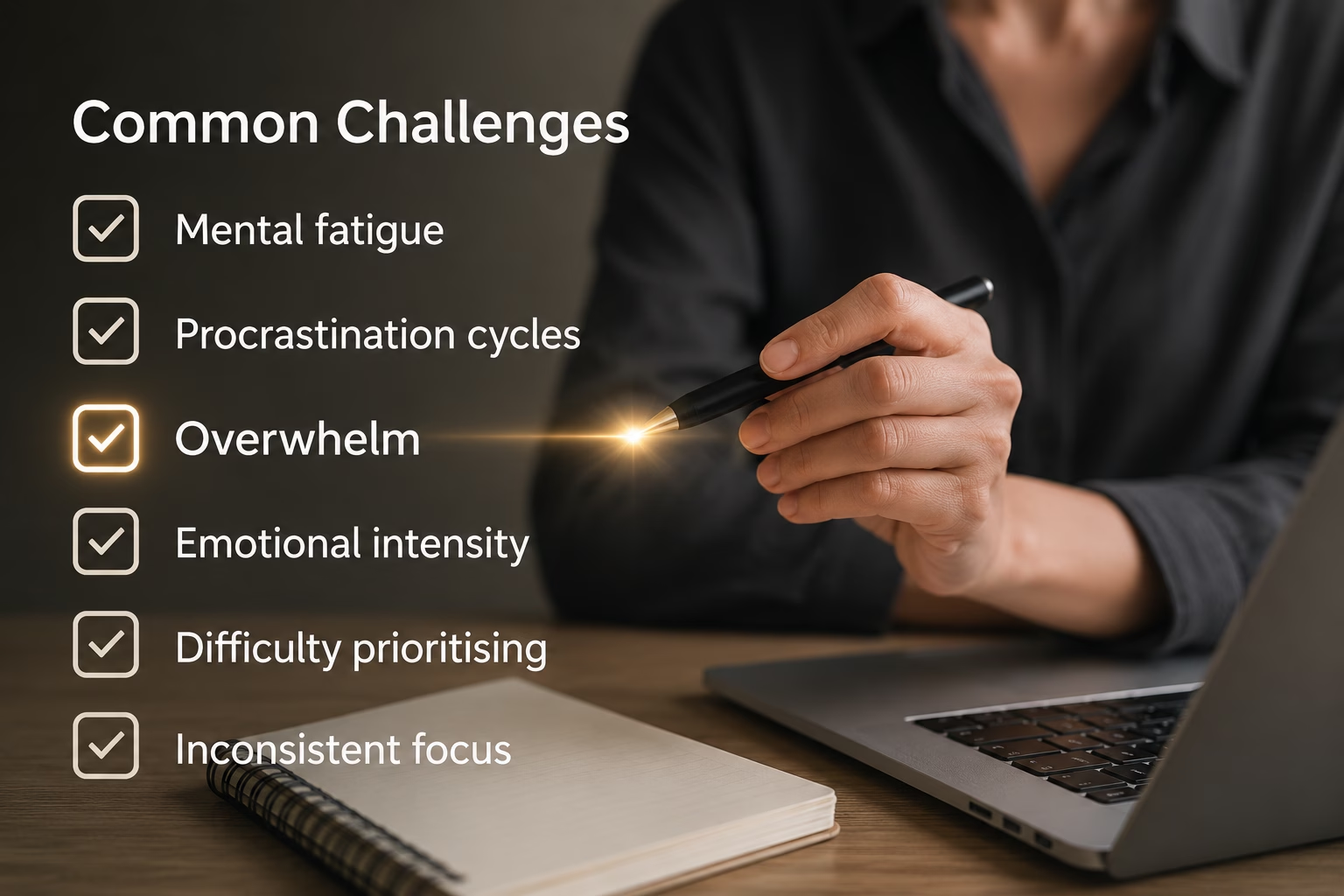
Common Experiences
People seeking support in this area often describe:
- difficulty maintaining focus despite strong intentions
- constantly feeling mentally “busy”
- procrastination followed by urgency-driven productivity
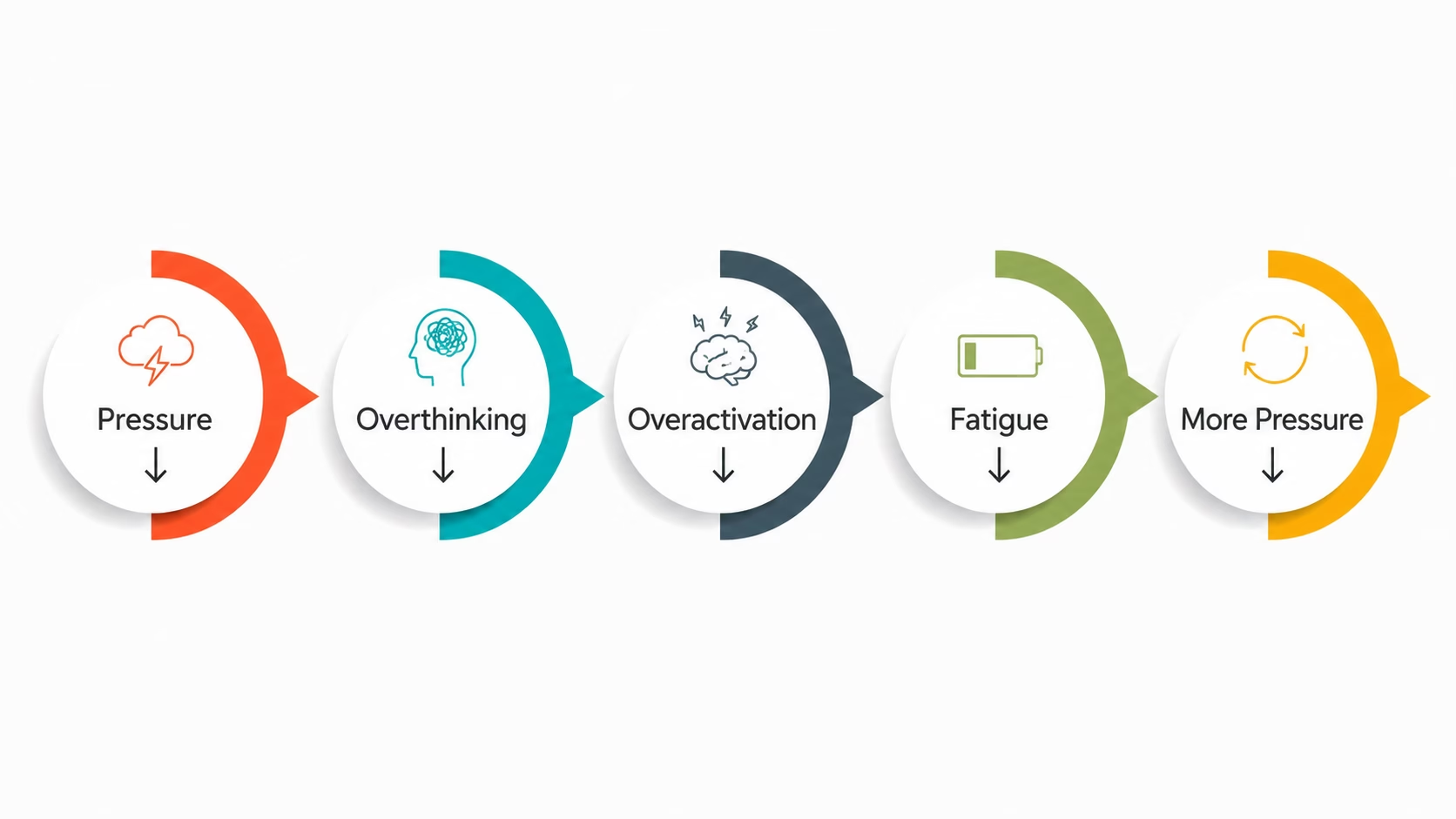
- cycles of overperformance and exhaustion
- emotional overwhelm or frustration
- heightened sensitivity to pressure, criticism, or conflict
- difficulty regulating motivation and attention
- trouble switching off mentally
- sleep disruption and mental restlessness
- feeling capable but inconsistent
- chronic self-criticism or shame around productivity
Others describe feeling as though:
“everything takes more mental energy than it should.”
If You Have Questions…
Just Reach Out
Want to discuss what is going on for you and how I might be able to support you make some changes?
ADHD and Emotional Regulation
For many adults, ADHD-related difficulties are not only about attention.
Emotional regulation can also be significantly affected.
This may include:
- emotional reactivity
- frustration intolerance
- overwhelm under pressure
- impulsive responses
- difficulty settling internally
- heightened stress sensitivity
- anxiety driven by mental overload or disorganisation
Over time, these experiences can contribute to:
- chronic stress
- avoidance patterns
- reduced confidence
- relationship strain
- exhaustion from continual self-management
For some individuals, earlier life experiences, longstanding stress patterns, perfectionism, or chronic self-pressure may also intensify these difficulties.
High Functioning Does Not Mean Unaffected
Many high-functioning adults with ADHD-related patterns have developed sophisticated coping strategies.
They often become:
- highly adaptive
- externally competent
- hyper-responsible
- driven to overcompensate
- skilled at masking difficulties
While these strategies may support achievement, they can also create:
- continual internal pressure
- chronic fatigue
- anxiety around performance
- emotional depletion
- difficulty relaxing or recovering
Often, people only seek support once the effort required to maintain functioning becomes unsustainable.
Not Sure Where to Start?
The Anxiety & Performance Assessment is the ideal first step. Together we’ll develop a clear understanding of what’s contributing to your current challenges, identify the patterns that may be maintaining them, and discuss the most appropriate pathway forward.
Learn more about the Stone Wellbeing Anxiety & Performance Assessment
Clarity Begins With Regulation.
Professional Background
Before working in this field, I spent more than 20 years working within Finance & Risk at NAB.
This background provides a strong understanding of:
- high-pressure professional environments
- performance expectations
- responsibility and decision fatigue
- perfectionistic and high-functioning coping styles
- the internal strain that can exist beneath external competence
Many clients value working with someone who understands both the psychological and practical realities of functioning under ongoing pressure.
A More Individualised Perspective
ADHD presentations vary significantly between individuals.
Some people experience:
- attentional overwhelm
- mental fatigue
- emotional dysregulation
- nervous system overactivation
- chronic internal pressure
Others experience:
- shutdown
- avoidance
- under-stimulation
- inconsistent motivation
- cycles of intense focus followed by exhaustion
Rather than applying a one-size-fits-all model, the work is tailored to the individual and focused on understanding the broader patterns contributing to ongoing strain and dysregulation.
Learn more about the integrative approach used across this work
FAQ’s
Do I need a formal ADHD diagnosis?
No.
Some clients have a formal diagnosis, while others simply recognise longstanding patterns involving attention regulation, overwhelm, emotional intensity, procrastination, or mental fatigue.
The focus is on understanding the patterns affecting your functioning and wellbeing rather than relying only on labels.
Can ADHD contribute to anxiety and burnout?
Yes.
Many adults with ADHD-related patterns experience chronic stress, overwhelm, emotional exhaustion, or burnout-like cycles due to the continual mental effort required to manage attention, organisation, and internal pressure.
Can you help if I’ve been struggling with these patterns for years?
Yes.
Many clients have spent years managing anxiety, overthinking, emotional strain, or chronic internal pressure before seeking support.
While every person’s situation is different, longstanding patterns can often become more understandable and changeable when the underlying drivers are identified and addressed rather than simply managed.
Is this ADHD coaching?
No.
This is psychologically-informed work focused on understanding and resolving the underlying patterns contributing to anxiety, overload, emotional dysregulation, nervous system strain, and attentional difficulties.
For many people, improvements in regulation and internal stability also positively affect focus, consistency, and daily functioning.
How effective is online work?
Many clients are initially surprised by how effective online sessions can be.
Because the work focuses on patterns, emotional responses, nervous system processes, and practical change, it often translates exceptionally well to an online format.
Online sessions also provide greater convenience, privacy, and flexibility, allowing clients to engage in the work from their own environment without the time and stress associated with travel.
How do I know if this is the right fit for me?
The initial consultation is designed to help answer that question.
It provides an opportunity to discuss what you are experiencing, explore what may be contributing to the patterns involved, and determine whether this approach feels appropriate for your needs and goals.
Finding the right fit is important, and there is no obligation to proceed beyond the initial consultation.
Online Support Across Australia
Sessions are provided online and accessible across Australia.
Online work allows many professionals and high-performing individuals to access support privately, flexibly, and without the additional stress of travel or commuting.
Next Step
If ongoing anxiety, mental overload, emotional strain, attentional fatigue, nervous system overactivation, or difficulty switching off are affecting your wellbeing, relationships, recovery, or performance, you are welcome to book a private consultation.
The initial consultation provides an opportunity to explore:
- what may be contributing to these patterns
- how the work is approached
- whether this feels like an appropriate fit for your needs