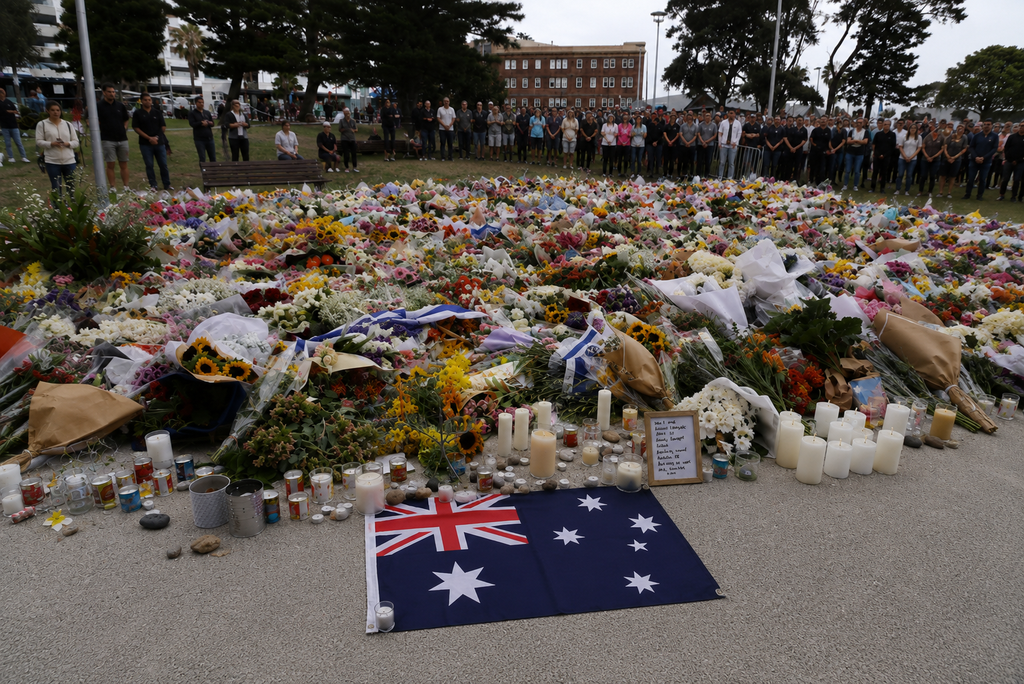
Like many Australians, I have been deeply shaken by the recent terrorist massacre at Bondi. As a trauma therapist, I am particularly concerned not only by the violence itself, but by the wider social context in which it occurred — a context of rapidly rising antisemitism that is causing real fear, harm, and retraumatisation for Jewish Australians.
This article is written as an act of solidarity. It is a public acknowledgement of suffering, a clear rejection of antisemitic hatred, and a trauma‑informed call for reflection and responsibility.
Acknowledging the Impact on Jewish Australians
To Jewish members of our community: I see you. I hear the fear, grief, anger, and exhaustion many of you are carrying right now. When violence is directed at a community because of who they are, it does not end with the immediate victims. It reverberates through families, synagogues, schools, workplaces, and nervous systems.
For many Jewish Australians, this attack does not exist in isolation. It lands on top of a long history of persecution, generational trauma, and more recent experiences of intimidation, vandalism, online abuse, and threats. In trauma terms, this is cumulative stress — and it matters.
No community should have to justify its fear or prove its pain.
Naming the Reality: Antisemitism Is a Trauma Issue
Antisemitism is not simply a political or ideological problem — it is a public health and trauma issue.
When hatred becomes normalised, minimised, or explained away, it creates conditions where violence becomes more likely. Chronic exposure to threat activates the nervous system into survival mode: hypervigilance, anxiety, sleep disturbance, anger, and withdrawal are understandable responses.
From a trauma‑informed perspective, we must be willing to name what is happening plainly:
- Antisemitism is rising at alarming levels in Australia and globally.
- Words, symbols, and online rhetoric do not stay abstract — they shape behaviour.
- Violence is the predictable outcome when hatred is left unchallenged.
Naming this is not about blame; it is about prevention.
Why Silence Is Not Neutral
In moments like this, silence can unintentionally communicate indifference or avoidance. For those who are targeted, silence often feels like abandonment.
As clinicians, helpers, and community members, we have an ethical responsibility to:
- Acknowledge suffering without conditions or caveats
- Reject narratives that minimise or relativise antisemitic harm
- Speak clearly that Jewish lives matter — here, now, and always
This does not require political alignment. It requires human decency.
A Trauma‑Informed Call to the Wider Community
If we are serious about safety and healing, we must move beyond outrage into action:
- Listen to Jewish voices without defensiveness or debate
- Challenge antisemitic language when you hear it, especially in subtle or “joking” forms
- Educate yourself about antisemitism and Jewish trauma histories
- Support Jewish‑led organisations and community safety initiatives
- Model compassion and accountability in how we speak online and in person
Trauma thrives in environments of denial. Healing begins with truth and connection.
For Fellow Therapists and Health Professionals
This moment calls for clinical humility and courage. Jewish clients may be carrying layers of fear they have not previously disclosed — especially if they are unsure whether they will be believed or understood.
Consider:
- Proactively acknowledging the event and its impact
- Creating space for conversations about identity‑based threat
- Reflecting on your own assumptions, blind spots, or discomfort
- Seeking education and supervision around antisemitism as a form of trauma
Safety is not only about what happens in the room — it is about what is named.
Closing
Violence motivated by hatred is never inevitable. It grows where fear is stoked, where language dehumanises, and where silence allows harm to spread.
Standing with Jewish Australians in this moment is not a political act — it is a moral and trauma‑informed one.
May we choose clarity over avoidance, compassion over indifference, and courage over silence.
If you are struggling in the aftermath of this tragedy and would like support, please reach out to a trusted professional or community service. You do not have to carry this alone.